
Customer Behaviour Project
Customer Behaviour & Loyalty Analytics: Retail Gaming Industry
Executive summary:
Using Python and R, a comprehensive analysis of customer behavior, loyalty patterns and product sentiment analysis was completed. After modelling revealed five distinct customer groups, the largest revenue opportunities were identified. Customer product review analysis revealed positive but inconsistent sentiment, suggesting a need for a more structured survey review format which would provide an informed approach to improve product recommendations, sales and retention by:
- Tailoring a revised customer loyalty programme with targeted marketing
- Automation of marketing emails for customer engagement
- Better identification of top selling products for marketing
Business problem:
Customer engagement and satisfaction are essential for this global retailer. Product and sales stakeholders have noticed a decline in revenue. How can we better identify customer behaviour and product sentiment to implement adjustments to loyalty programmes and marketing to encourage greater retention and engagement with products.
Methodology:
- Ingest, clean and transform structured and unstructured data in Python from csv and scrapped data.
- Conduct data modelling to identify relationships between loyalty programme and customer demographics to discover opportunities for increased engagement.
- Analyse product reviews for sentiment to determine the best areas for product marketing.
Skills:
- Data modelling: OLS, decision tree analysis and k-means clustering in Python (sklearn).
- NLP in Python: word_tokenisation, word clouds and sentiment analysis.
- R: tidyverse, ggplot, MRL model and statistics (Shapiro Wilk test)
Results and Business Recommendations:
ML modelling methods to identify relationships between loyalty points and other customer demographic information did not adequately define groups using linear regression or decision tree analysis. Data suggested a best fit with k-means clustering, identifying 5 clearly delineated customer groups. Utilising this data suggests a bespoke loyalty system could be implemented to leverage known customer engagement and potential for upselling.
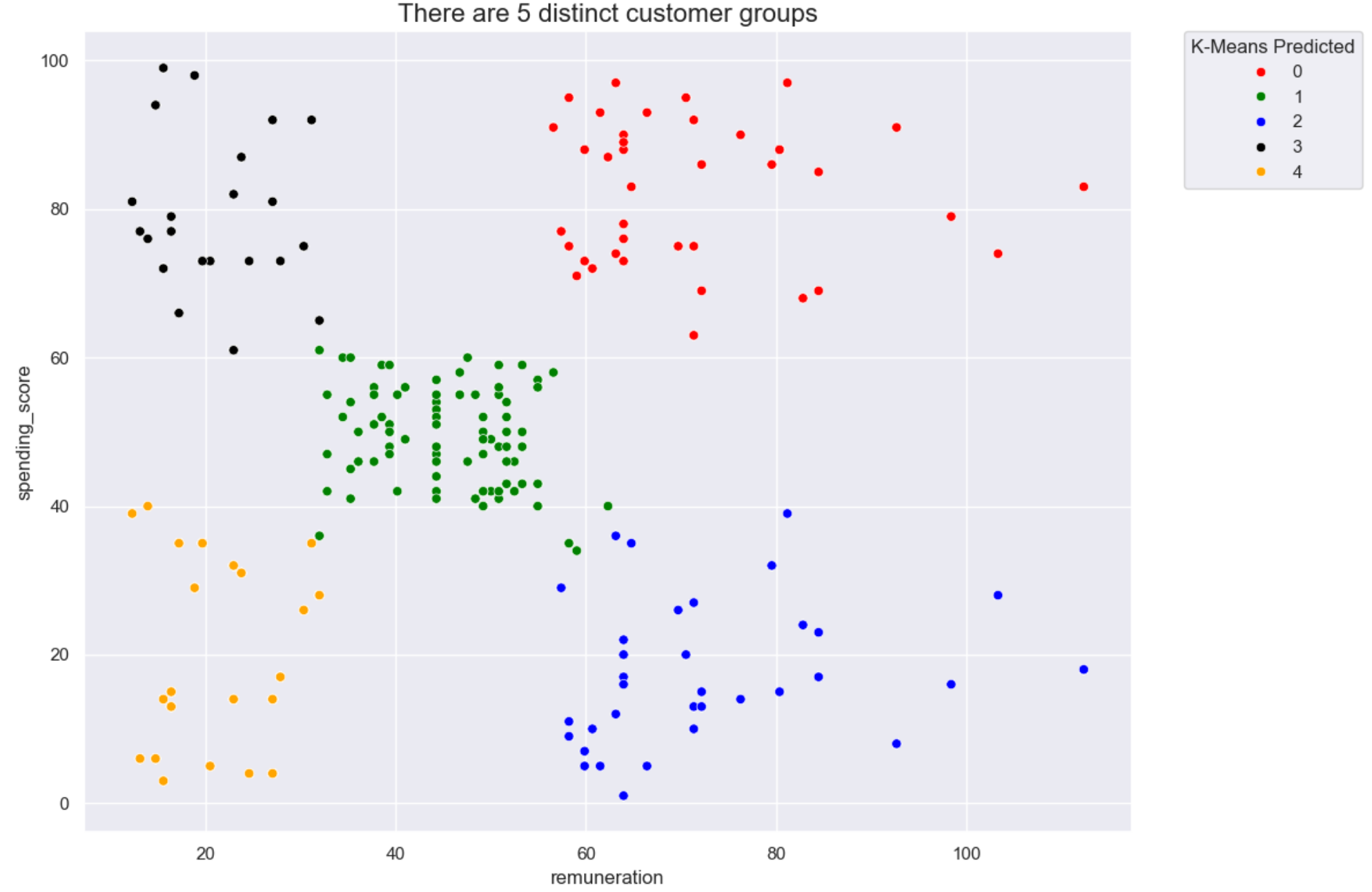
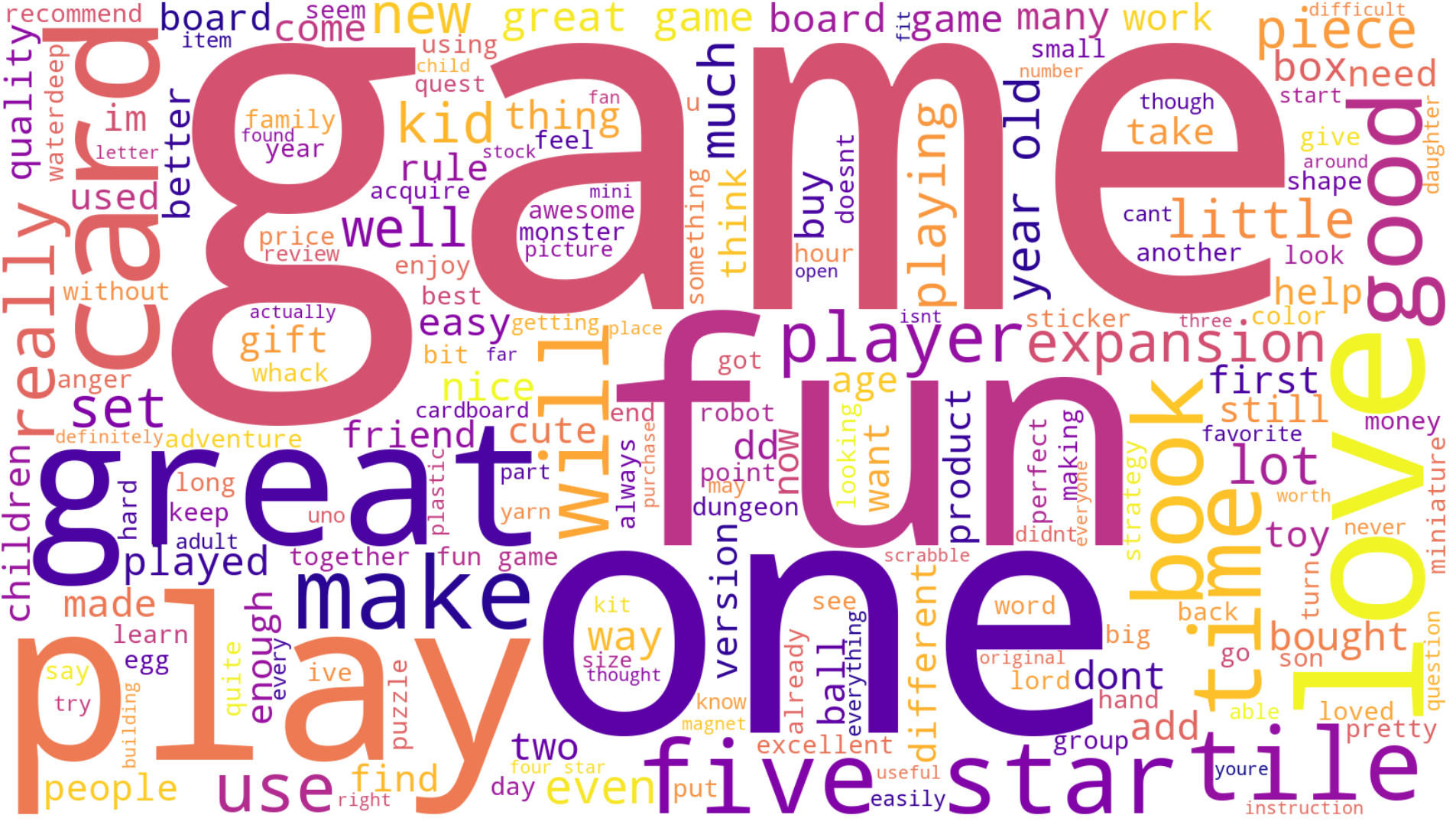
Additionally, sentiment analysis from customer reviews identified popular language use and overall positive sentiment.
Wordcloud of most frequent used words in review and summary
However, in order to enhance interpretation of reviews, customer engagement and potential for marketing to encourage recurrent purchasing behaviour, I recommend the following adjustments:
- A bespoke loyalty points programme with targeted marketing for each tier
- A revised survey questionnaire for customer product feedback with more quantitative data capture
Next Steps:
- Train sales and customer service teams/implementation of new customer loyalty programme and survey.
- Further CRM analysis
- Measure email open and click rate for customer offers